Digital
Safety First
reading time
The introduction and trial of the Live Dig Radar (LDR) technology continues to demonstrate how innovation can reduce risk and improve operational safety on complex infrastructure projects.
With more than 60,000 underground utility strikes recorded in the UK each year, the need for safer excavation is clear. That's why Lynch has formed an exclusive partnership with RodRadar and MachineTech to introduce Live Dig Radar technology to the UK.
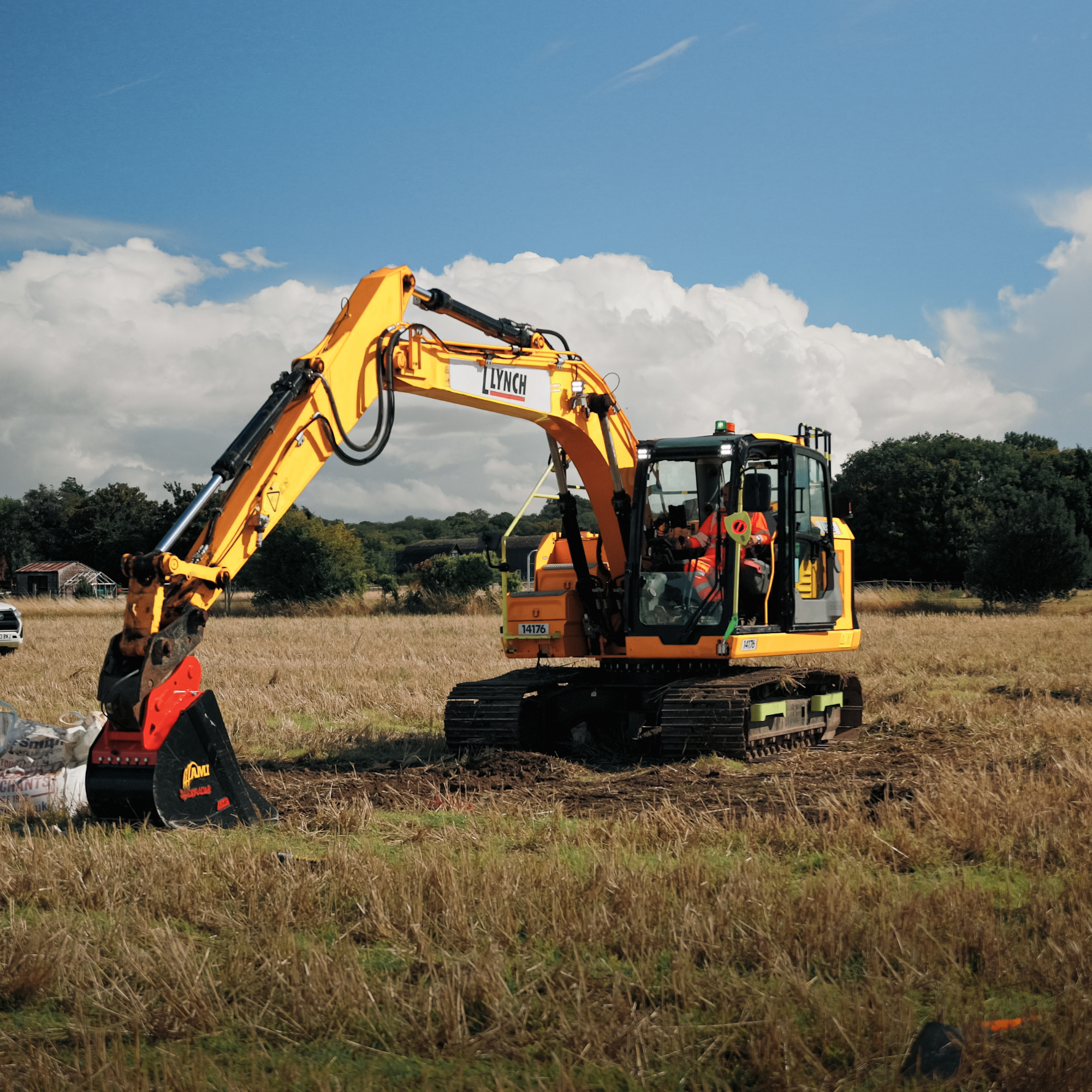
The LDR technology is comprised of four core components - the LDR bucket, operator tablet, connection box and cabling - working together to detect underground objects in real time as excavation takes place.
Using radio frequency waves, the bucket scans the ground and converts returning signals into live visual data. This allows operators to identify the depth and position of buried services before and during excavation.
By turning subsurface data into clear, actionable insight, the technology enables safer excavation and more confident decision making on site.
During trial scans on Lower Thames Crossing, the LDR technology generated 41 high-severity alerts and one medium-severity alert, providing early visibility of potential buried services and utilities and allowing excavation plans to be adjusted accordingly.
The trial achieved safe excavation to a depth of 4m without compromising pit design or safety compliance. Continuous in-machine scanning also reduced the need for repeated manual re-scanning, improving both efficiency and safety on site.
The Radar bucket was the only way we could complete this package of works while still satisfying our safe digging procedures. The team trained on interpreting the scans found the system to be straightforward and user friendly.
Paul Skelton, General Foreman, Skanska
Related Stories:
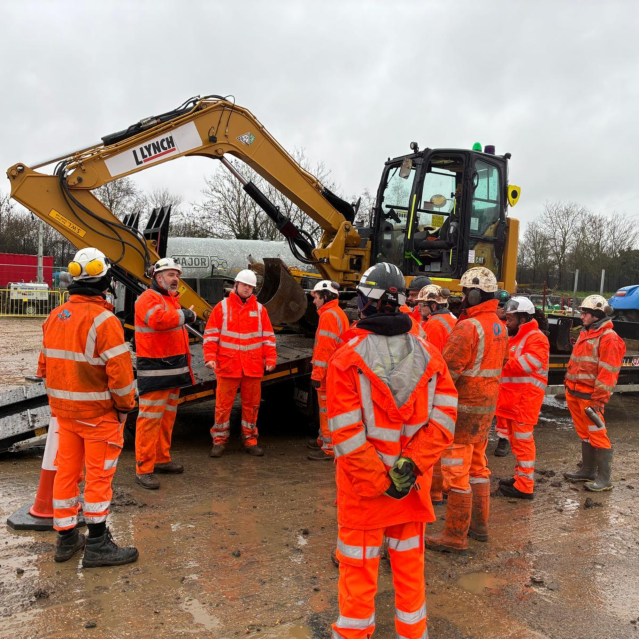
Supporting Safer, Smarter Delivery at Lower Thames Crossing
Over the past year, our teams have continued to work closely with Lower Thames Crossing to help drive safer operations, digital innovation and skills development across the project.More than 20 site personnel successfully completed Loadmaster trai...
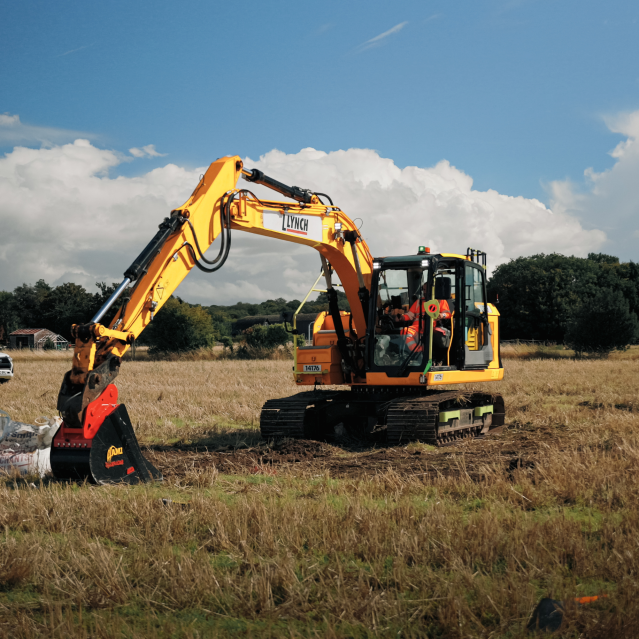
Live Dig Radar at Lower Thames Crossing
The introduction and trial of the Live Dig Radar (LDR) technology continues to demonstrate how innovation can reduce risk and improve operational safety on complex infrastructure projects.With more than 60,000 underground utility strikes recorded ...
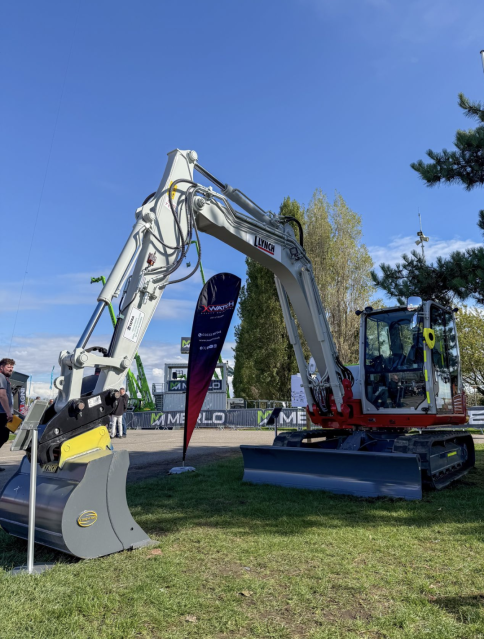
Lynch and Xwatch at PlantWorx!
Day 2 of PlantWorx Construction Exhibition 2025 is well underway! We proudly feature on the Xwatch Safety Solutions part of Hexagon stand, which showcases the latest safety technology and their newest XW-Insite dashboard. This innovative dashboa...
.png)